Must-Have Tactical Gear for Survival & Preparedness
Shop must-have tactical gear selected for
emergency preparedness, outdoor use, field equipment and
everyday readiness. Explore protective gear, communication
equipment, first-aid supplies, lighting, cleaning equipment
and practical survival accessories.
Build your setup around the equipment you actually need,
whether you are organizing a home preparedness kit,
upgrading your field gear or adding dependable tools for
travel and outdoor use.
Tactical Gear Built Around Real Preparedness Needs
The best must-have tactical gear
starts with the situations you actually expect to
encounter. Emergency communications, medical supplies,
protective equipment, lighting and field gear can each
solve a different preparedness need.
Rather than buying equipment simply because it is
labeled tactical, focus on reliability,
portability, storage, maintenance and usefulness.
A smaller collection of gear you understand and maintain
can be more practical than a large kit you rarely use.
01 / Communication
Radios & Communication Gear
Portable communication equipment can provide an
additional way to exchange information during travel,
outdoor activity or disruptions to normal services.
02 / Medical
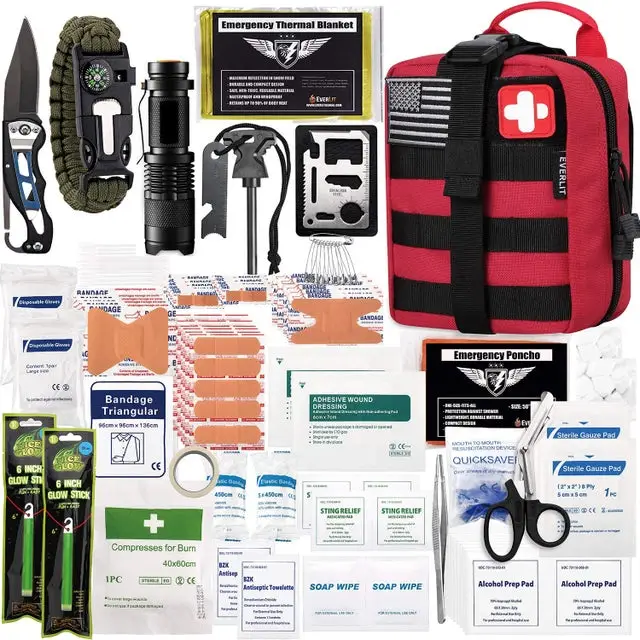
First Aid & Emergency Supplies
Organize first-aid supplies around the needs of your
household, vehicle or outdoor kit and periodically
check stored items for condition and expiration.
03 / Protection
Protective & Weather Gear
Gloves, masks, emergency blankets and other protective
equipment can help address weather, environmental and
field conditions.
04 / Utility
Lighting, Tools & Field Equipment
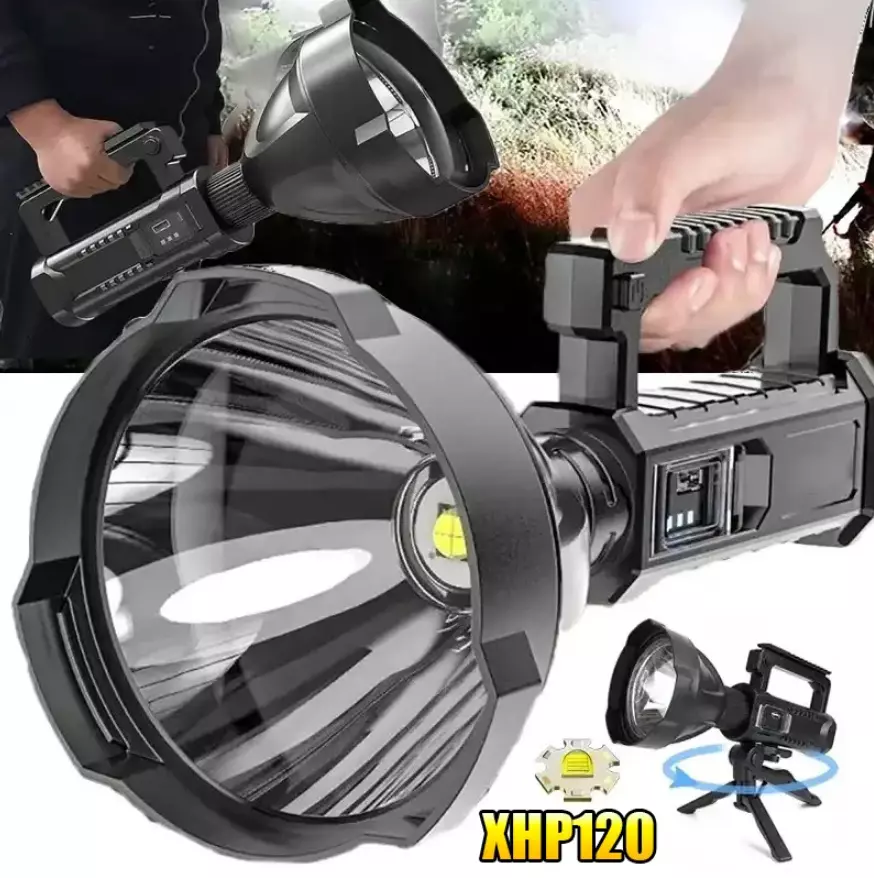
Portable lighting and general-purpose field equipment
can support routine tasks when normal infrastructure,
power or supplies are unavailable.
Buying Guide
What Makes Tactical Gear Worth Adding?
Start with the problem the equipment is supposed to
solve. Then compare how easily it can be stored,
carried, powered, maintained and used when you
actually need it.
01 / PURPOSE
Start With a Defined Need
Decide whether the item fills a communication,
medical, lighting, environmental or general utility
role. Clear purpose makes it easier to avoid buying
redundant gear.
02 / RELIABILITY
Favor Equipment You Can Depend On
Review construction, power requirements, replacement
needs and manufacturer information before depending
on an item as part of an emergency kit.
03 / PORTABILITY
Consider Size & Weight
Equipment intended for a vehicle, backpack or field
kit should fit the space available without making
the overall setup unnecessarily difficult to carry
or organize.
04 / MAINTENANCE
Keep Gear Ready
Batteries, stored supplies and equipment should be
inspected periodically. Follow manufacturer
directions for charging, maintenance, storage and
replacement.
Build in Layers
Build a Tactical Kit Around Capability, Not Quantity
A practical setup does not need dozens of overlapping
products. Start with core needs such as
communication, light, basic medical supplies
and environmental protection, then add
specialized equipment when it fills a real gap.
Keep frequently used items accessible and organize
backup supplies so batteries, stored equipment and
consumable items can be inspected without taking apart
the entire kit.
Common Questions
Must-Have Tactical Gear FAQ
What tactical gear should I start with?
Start with equipment that addresses common
preparedness needs such as reliable lighting,
communication, first aid and environmental
protection. Add more specialized gear only when
it fills a specific need in your setup.
What is the difference between tactical gear and survival gear?
The categories overlap considerably. Survival
gear generally focuses on maintaining basic
needs during emergencies, while tactical gear
often includes durable communication,
protective, field and utility equipment.
What tactical gear is useful for an emergency kit?
Useful categories can include communication
equipment, portable lighting, basic medical
supplies, gloves, weather protection and
general-purpose field equipment appropriate to
your environment.
Should tactical equipment be tested before storing it?
Equipment should be inspected and maintained
according to its manufacturer's instructions.
Check batteries, charging requirements,
consumable supplies and storage conditions
periodically so the kit does not simply sit
untouched for years.
Where can I find broader emergency preparedness supplies?
Freedom Gear: One-Stop Shop for Outdoor and Preparedness Gear
Freedom Gear is an online retailer offering a wide range of products for outdoor enthusiasts and people interested in preparedness. Their extensive selection includes:
Outdoor Gear: Backpacks, camping equipment, tools, and accessories for activities like hiking, climbing, and hunting.
Firearms and Concealment: (Please note specific local laws and regulations before making any purchases.)
Survival Supplies: Emergency shelters, first-aid kits, food storage solutions, and other essentials for various situations.
What Makes Freedom Gear Stand Out?
Variety: Freedom Gear caters to a wide range of needs, whether you’re planning a weekend camping trip or want to be prepared for emergencies.
User-Friendly Website: Their website is easy to navigate and helps you find the perfect tool for your next adventure.
Knowledgeable Staff: Their staff is available to answer questions and help you choose the right gear for your specific needs.
Before You Buy:
Legal Compliance: Freedom Gear emphasizes complying with local laws and regulations. Double-check local restrictions before purchasing any firearms or survival items.
Needs Assessment: Consider what activities you’ll be using the gear for to make informed choices.
Overall, Freedom Gear is a comprehensive online resource for outdoor enthusiasts and people focused on preparedness. Their commitment to responsible practices and diverse product selection makes them a strong contender in the market.
Freedom Gear is dedicated to American-made quality. We specialize in solvent traps, solvent trap parts, survivalist gear, and emergency supplies. We publish product pages, how-to guidance, and gear overviews to help
preppers, shooters, and outdoor enthusiasts make informed, lawful purchases. Our goal is reliability, safety, and transparency—no cheap imports or misleading claims.
Ownership & Funding Info
Freedom Gear is privately owned and operated in Chandler, Arizona. We are funded solely through product sales—no outside grants or investors.
Payment is due at checkout; orders without successful payment will not ship.
Declined or failed payments result in order cancellation.
Refund & Return Policy
Returns are considered only upon written request and approval; provide a clear explanation of any defect or issue.
Authorized returns (once shipped) incur a 30% restocking fee.
If an item matches the description and is not defective, a refund will not be granted.
Exchanges may be offered on a case-by-case basis.
All sales are final.
Tip: Keep original packaging until you’ve inspected your order. Approved returns must be in like-new condition unless otherwise stated in writing.
Cancellations
Orders may be cancelled prior to shipment.
Once shipped, the Return Policy and applicable restocking fees apply.
Actionable Feedback Policy
We welcome feedback and complaints at info@FreedomGear.org. Each case is reviewed individually. While we cannot guarantee a specific outcome, we strive to respond promptly and transparently. If we publish an error, we will correct it and note the change.
Shipping Policy
Standard processing times apply; during high-demand periods or unforeseen events, delivery may take longer than usual.
Tracking information is provided when available.
Please allow additional transit time during holidays or carrier disruptions.
Legal Disclaimer / Ethics
Products are sold for lawful, intended use only. No modifications or alterations should be made to any product.
Freedom Gear is not responsible for misuse, personal injury, or property damage after delivery.
By purchasing, the buyer acknowledges and agrees to these terms and waives claims arising from misuse or use outside the intended purpose.
We commit to accurate product descriptions, fair pricing, and transparent sourcing, with an emphasis on American-made quality.
Last Updated
These terms and conditions may change without prior notice. By purchasing from FreedomGear.org, you confirm you have read and accepted the current terms.
The word “crisis” can encompass a wide range of situations, from minor inconveniences (like a streaming service outage) to major emergencies. While zombie invasions or alien attacks might be unlikely, it’s wise to consider how we can be more prepared for realistic challenges.
Planning for Practical Scenarios
Focusing on practical skills and knowledge for potential disruptions can be more helpful than prepping for extreme scenarios. Instead of picturing a chaotic fight over limited resources, consider building skills like:
Cooking: Learning to cook basic meals from scratch, using pantry staples and potentially incorporating some foraged herbs, can be beneficial.
Gardening: Even a small space can be used to grow vegetables and herbs, providing fresh produce and a sense of self-sufficiency.
Food Knowledge: Understanding general food preservation methods (canning, drying) and basic nutrition can be valuable in any situation.
Building Resilience: A Gradual Process
Building a healthy lifestyle and learning new skills takes time and effort. Here are some steps you can take:
Start with small changes: Gradually incorporate healthy foods into your diet, learn a few basic cooking techniques, and consider starting a small indoor herb garden.
Learn alongside others: Look for community gardening initiatives or cooking classes to share knowledge and resources.
Focus on what you can control: While we can’t predict everything, we can focus on developing skills and knowledge that can benefit us in a variety of situations.
Embracing a Realistic Approach
While complete self-sufficiency in a major crisis might be unrealistic, being more prepared can offer peace of mind and a sense of control. The key is to be practical, focus on building a healthy lifestyle, and learn skills that can be adapted to different situations.
This revision removes the negativity and focuses on:
Practical scenarios and skills.
Gradual steps for building resilience.
Positive and actionable language.
It’s important to remember that healthy eating habits are always beneficial, regardless of a crisis. By focusing on practical skills and building a foundation of knowledge, we can all be more prepared for unexpected challenges.
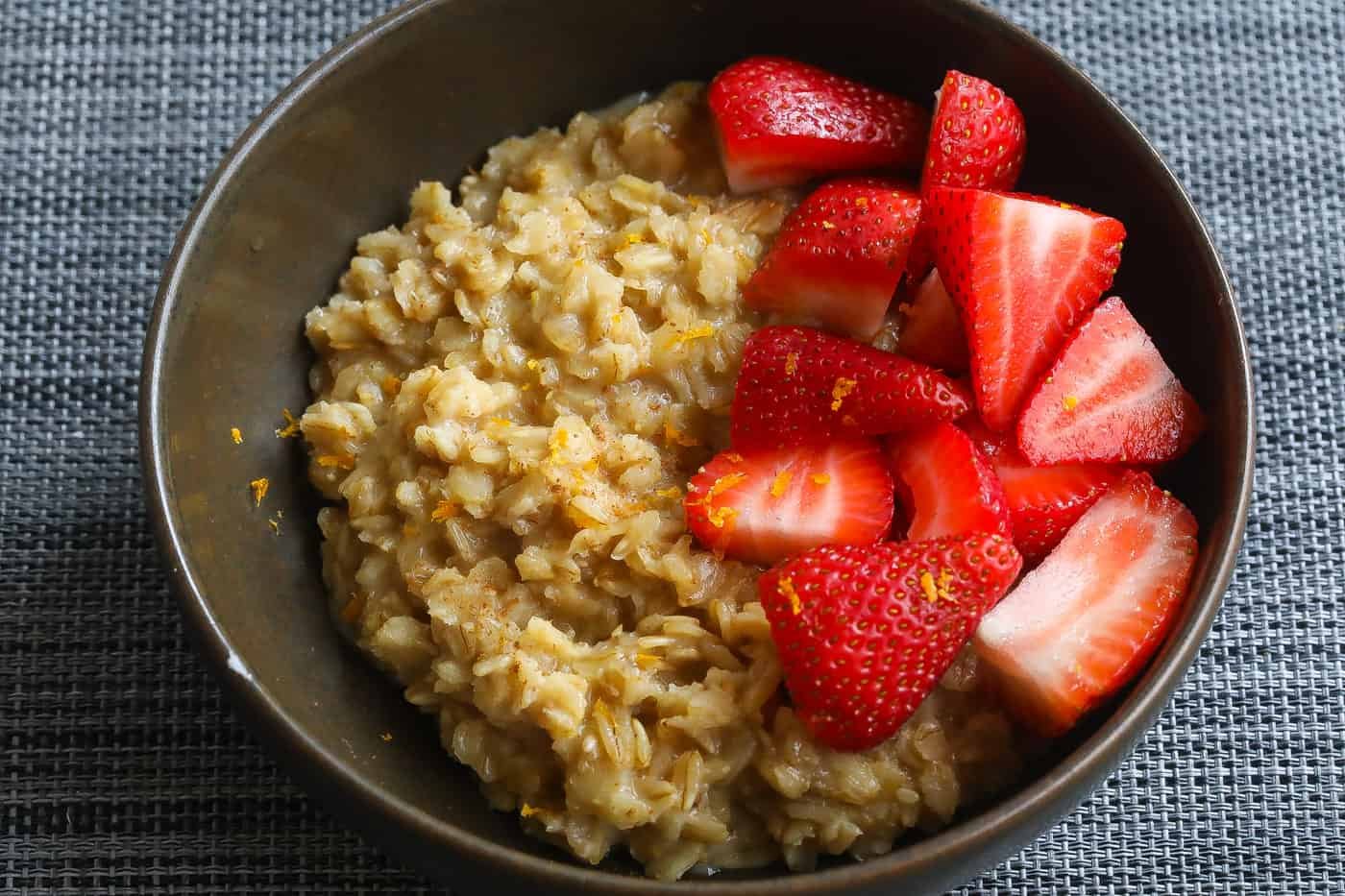
This deluxe Freeze Dried Food kit contains all of the components needed for delicious and balanced breakfast meals. The ingredients are packaged separately. Included is 12 pounds of oatmeal| 1.6 pounds of sugar| 30-35 freeze-dried strawberries and a package of cinnamon to add some spice to the combination. Mix and match the components to allow variety. Contrast this to the typical approach of pre-packaged oatmeal where the flavor is always identical.
Oatmeal is delicious and provides necessary calories and essential vitamins and minerals. All included components are packaged for long-term storage and freshness using state-of-the-art packaging methods. The packages are sealed in food grade| FDA approved mylar as a long-term barrier to oxygen.
Filling and Nutritious Oatmeal is great for breakfast meals
Freeze-Dried Strawberries are delicious alone or in oatmeal
Sugar and Cinnamon packaged separately
High in essential vitamins and minerals
Sealed for freshness and Long term 25 Year storage
Dehydrating food is something Augason Farms knows a lot about. Skip the prep work of washing| peeling or slicing and add Augason Farms dehydrated potato slices to casseroles| soups| or potato salads. These certified gluten free| hassle free dehydrated potato slices make excellent au gratin or scalloped potato casseroles or can be seasoned and Oven baked for crispy potato slices and are tasty pan-fried for breakfast. You can even make homemade potato chips! Easily combine them with other Augason Farms dehydrated vegetables to provide a nutritious| great tasting meal.
They’re a great addition to any family’s survival food storage| whether you use them today for a quick meal or down the road in an emergency. Shelf life up to 25 years based on storage conditions. Family owned and operated since 1972| Augason Farms products are guaranteed for their great taste and superior quality. Include Augason Farms in your pantry for everyday use or in your emergency food supply for the unexpected.
There is a direct correlation between moisture content and shelf life. The higher the moisture content| the
shorter the shelf life. Dehydrated food looses quite a bit of moisture–up to 90 percent! Home dehydrators may only remove 80% of the water in food| leaving it with a shorter shelf life. However| most top end dehydrated food will still maintain a shelf life of up to 15 years| and depending on the type of food| in some cases up to 25 years.
Freeze dried food is best to store for long-term. Freeze Dried Food has a shelf life 25 years or more. Cooler temperature helps lengthen shelf life. Store Freeze Dried food in a cool| dark and dry location when possible| which will prolong shelf life.
Prepare Freeze Dried Food for Eating
To prepare freeze-dried food| you add water and eat when rehydrated. Your food will taste so close to the original that you may not know the difference. Dehydrated food is different in the way you prepare it. To prepare dehydrated food will likely boil to rehydrate it. This can take 20 minutes| depending on the food. .
Nutrition
Freeze‐dried food maintains most of its nutrients throughout the process. Once rehydrated| the food is similar in nutritional value to its fresh counterpart. Dehydrated food only retains 60‐75% of original nutrients. Freeze‐dried food retains about 97% of it original nutrients.
Taste
Flavor is important in food. If it doesn’t taste good| why would we eat it? Both freeze‐dried and dehydrated food taste great| however freeze-drying preserves more nutrients. Freeze-drying keeps in the flavor| retains original texture| and maintains the natural aroma. Dehydrating food uses heat| which causes food to loose flavor| nutrients| and texture. Most people agree that freeze‐dried food wins the taste test.
Augason Farms morning moos is a whey-based powdered milk beverage that’s ideal for everyday use or as a part of your emergency food supply. It looks and tastes like fresh milk| is rich in calcium and fortified with vitamins a and d| much like 2% milk. Add the indicated amount of water to easily enjoy this powdered milk beverage| whether you prefer to drink it straight from the glass| poured over cereal| or enjoy steaming hot with added flavor.
This dry powdered milk alternative can also be used as a substitute for light cream by adding only half the recommended amount of water. Enjoy all the goodness of milk without the need for refrigeration| whether today or in times of emergency. With a shelf life up to 20 years based on storage conditions and it’s certified gluten free.
Family owned and operated since 1972| Augason Farms products are guaranteed for their great taste and superior quality. Include Augason Farms in your pantry for everyday use or in your emergency food supply for the unexpected.
There is a direct correlation between moisture content and shelf life. The higher the moisture content| the
shorter the shelf life. Dehydrated food looses quite a bit of moisture–up to 90 percent! Home dehydrators may only remove 80% of the water in food| leaving it with a shorter shelf life. However| most top end dehydrated food will still maintain a shelf life of up to 15 years| and depending on the type of food| in some cases up to 25 years.
Freeze dried food is best to store for long-term. Freeze Dried Food has a shelf life 25 years or more. Cooler temperature helps lengthen shelf life. Store Freeze Dried food in a cool| dark and dry location when possible| which will prolong shelf life.
Prepare Freeze Dried Food for Eating
To prepare freeze-dried food| you add water and eat when rehydrated. Your food will taste so close to the original that you may not know the difference. Dehydrated food is different in the way you prepare it. To prepare dehydrated food will likely boil to rehydrate it. This can take 20 minutes| depending on the food. .
Nutrition
Freeze‐dried food maintains most of its nutrients throughout the process. Once rehydrated| the food is similar in nutritional value to its fresh counterpart. Dehydrated food only retains 60‐75% of original nutrients. Freeze‐dried food retains about 97% of it original nutrients.
Taste
Flavor is important in food. If it doesn’t taste good| why would we eat it? Both freeze‐dried and dehydrated food taste great| however freeze-drying preserves more nutrients. Freeze-drying keeps in the flavor| retains original texture| and maintains the natural aroma. Dehydrating food uses heat| which causes food to loose flavor| nutrients| and texture. Most people agree that freeze‐dried food wins the taste test.
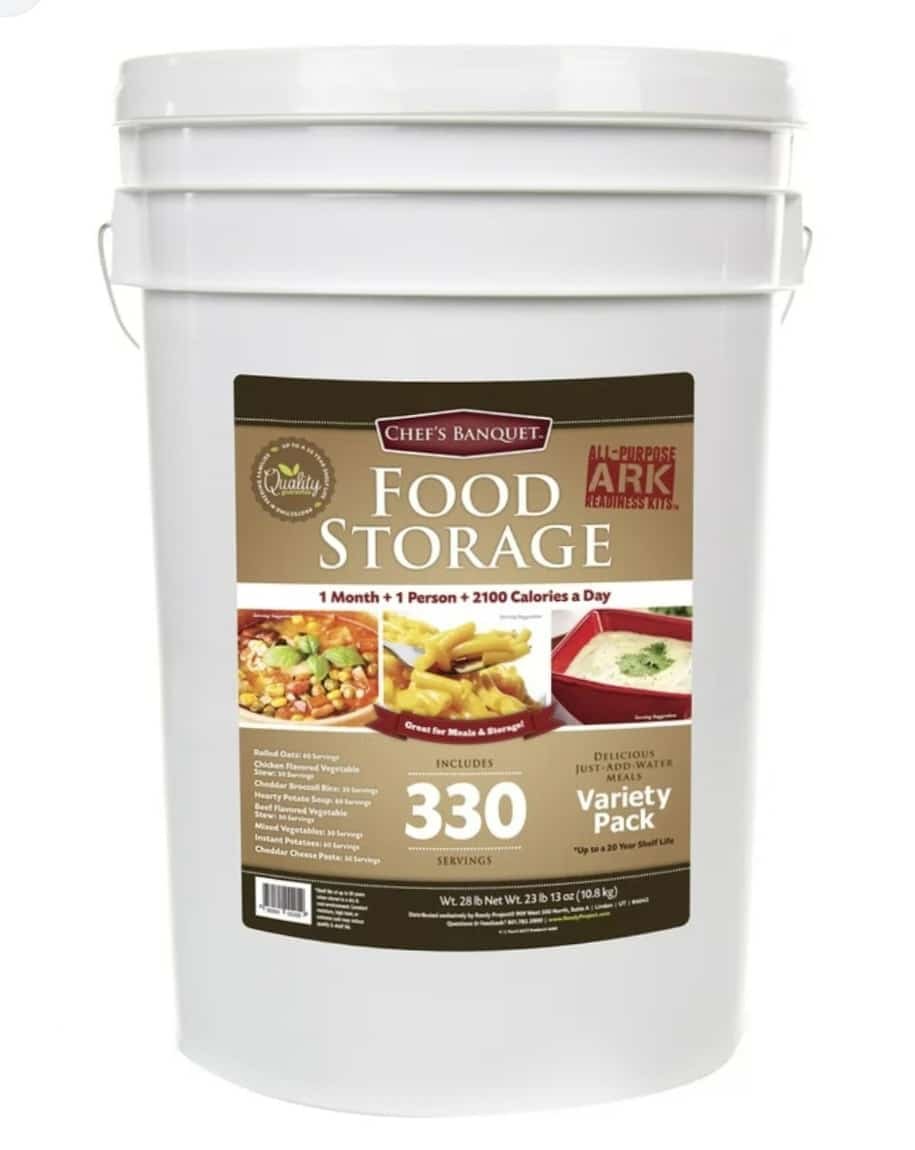
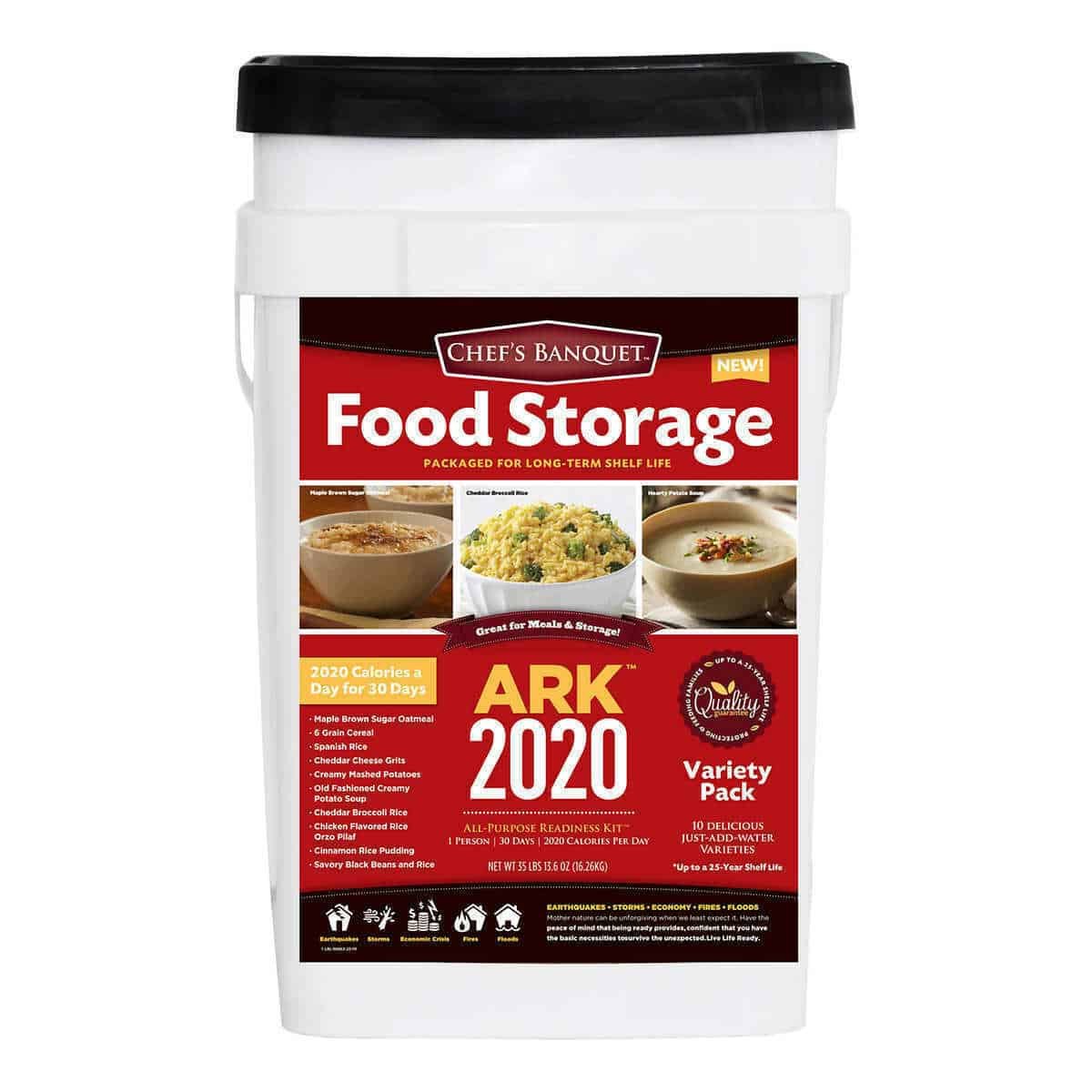
Chef’s Banquet ARK 2020 Food Storage Kit 30 Day Supply
The ARK (All-Purpose Readiness Kit) is a perfect freeze dried food kit for your pantry! A food shortage can happen at any time| such as when crops fail due to drought| as well as pest| or even too much moisture. The problem can result from uneven distribution of natural resources. Food scarcity can happen on a city level| state level| continent level| or even a global level.
Epidemics| pandemics and disasters like earthquakes| storms| failing economies| fires| floods can also put us in a position where access to quality foods is not readily available. Being prepared and self-reliant are wise principles to live by. Chef’s Banquet has developed the ARK 2020 to aid in your personal and home preparedness plans. Each kit is packed with enough food to feed 1 person 2020 calories per day for 30 days. That’s a lot of food in one kit!
Features:
1 Person| 30 Days of Food
2|020 Calories per Day
Up to a 25 Year Shelf Life
Includes:1 PERSON
30 DAYS
2000 CALORIES PER DAY
Average Serving contains about 200 calories
Average of 390 grams of Carbohydrates per day
Average of 49 grams of Protein per day
Average of 28 grams of Fats per day
Food Storage Packaged for Long-term Shelf Life
Great for everyday meals| camping| emergencies| starving students| disaster relief| etc.
10 Delicious Varieties
Maple Brown Sugar Oatmeal (120 Cal/Serv| 60 Serv| 7|200 total Cal)
Six Grain Rolled Cereal (84 Cal/Serv| 90 Serv| 7|560 total Cal)
Spanish Rice (180 Cal/Serv| 60 Serv| 10|800 total Cal)
There is a direct correlation between moisture content and shelf life. The higher the moisture content| the
shorter the shelf life. Dehydrated food looses quite a bit of moisture–up to 90 percent! Home dehydrators may only remove 80% of the water in food| leaving it with a shorter shelf life. However| most top end dehydrated food will still maintain a shelf life of up to 15 years| and depending on the type of food| in some cases up to 25 years.
Freeze dried food is best to store for long-term. Freeze Dried Food has a shelf life 25 years or more. Cooler temperature helps lengthen shelf life. Store Freeze Dried food in a cool| dark and dry location when possible| which will prolong shelf life.
Prepare Freeze Dried Food for Eating like Mountain Fresh Foods
To prepare freeze-dried food| you add water and eat when rehydrated. Your food will taste so close to the original that you may not know the difference.
Nutrition
Freeze‐dried food maintains most of its nutrients throughout the process. Once rehydrated| the food is similar in nutritional value to its fresh counterpart. Dehydrated food only retains 60‐75% of original nutrients. Freeze‐dried food retains about 97% of it original nutrients.
Taste
Flavor is important in food. If it doesn’t taste good| why would we eat it? Both freeze‐dried and dehydrated food taste great| however freeze-drying preserves more nutrients. Freeze-drying keeps in the flavor| retains original texture| and maintains the natural aroma. Dehydrating food uses heat| which causes food to loose flavor| nutrients| and texture. Most people agree that freeze‐dried food wins the taste test.
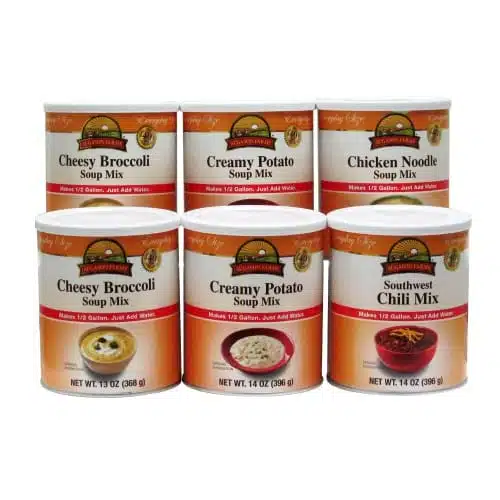
Augason Farms Food Storage Soup Variety 6-Pack Everyday Size Cans includes 4 different varieties of soup. The everyday size cans of soup make it easy for you to store in your kitchen cupboards. The taste of the soups are delicious| making it an easy everyday meal for the whole family.
10 year shelf life*
48 total servings
6 everyday size (#2.5) cans
No refrigeration needed
Easy to prepare| just add water
For emergency food storage| camping or everyday use
Sealed/Opened to 1 year. Best when stored in a cool dry place at temperatures between 55˚F and 70˚F (ideal humidity 15%).We have many food options to choose from!
There is a direct correlation between moisture content and shelf life. The higher the moisture content| the
shorter the shelf life. Dehydrated food looses quite a bit of moisture–up to 90 percent! Home dehydrators may only remove 80% of the water in food| leaving it with a shorter shelf life. However| most top end dehydrated food will still maintain a shelf life of up to 15 years| and depending on the type of food| in some cases up to 25 years.
Freeze dried food is best to store for long-term. Freeze Dried Food has a shelf life 25 years or more. Cooler temperature helps lengthen shelf life. Store Freeze Dried food in a cool| dark and dry location when possible| which will prolong shelf life.
Prepare Freeze Dried Food for Eating
To prepare freeze-dried food| you add water and eat when rehydrated. Your food will taste so close to the original that you may not know the difference. Dehydrated food is different in the way you prepare it. To prepare dehydrated food will likely boil to rehydrate it. This can take 20 minutes| depending on the food. .
Nutrition
Freeze‐dried food maintains most of its nutrients throughout the process. Once rehydrated| the food is similar in nutritional value to its fresh counterpart. Dehydrated food only retains 60‐75% of original nutrients. Freeze‐dried food retains about 97% of it original nutrients.
Taste
Flavor is important in food. If it doesn’t taste good| why would we eat it? Both freeze‐dried and dehydrated food taste great| however freeze-drying preserves more nutrients. Freeze-drying keeps in the flavor| retains original texture| and maintains the natural aroma. Dehydrating food uses heat| which causes food to loose flavor| nutrients| and texture. Most people agree that freeze‐dried food wins the taste test.
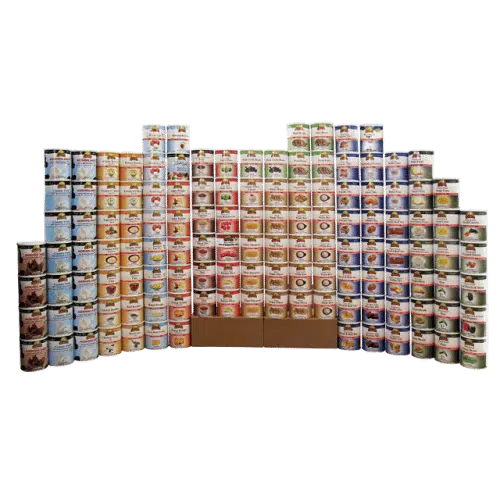
Augason Farms Deluxe One Person One Year Freeze Dried Food Supply:
Augason Farms Deluxe One Year Food Storage Kit has a large variety of everyday freeze dried foods! The massive selection includes soup| fruit| vegetables| as well as baking mixes. This selection provides you the ability to create delicious meals| not just food to sustain you but food you will enjoy! This meal plan averages almost 2|000 calories per day. The kit contains over 9|000 servings as well as it includes a can of Vegetable Garden Seeds which is capable of producing over 2300 pounds of fresh vegetables. in an emergency this kit will help you start your own food storage in your backyard!
Product Contains:
Up to 30 year shelf life*
9|031 Total Servings
Approximately 2|000 calories per day
138 institutional size (#10) cans
Easy to use| just add water or eat directly out of the can
Recipes on label
No refrigeration needed
For emergency food storage or everyday use
Approximately 385 gallons of water to rehydrate entire kit
A total of 138 #10 Cans are included in the Deluxe One Year Kit:
6 Hard White Wheat (51 servings per can)
2 Creamy Wheat Cereal (36 servings per can)
1 Super Nutty Granola (23 servings per can)
6 Long Grain White Rice (47 servings per can)
6 Elbow Macaroni (26 servings per can)
2 Quick Rolled Oats (22 servings per can)
1 Shortening Powder (178 servings per can)
2 Chocolate Fudge Brownie Mix (45 servings per can)
3 Blueberry Muffin Mix (40 servings per can)
3 Honey Cornbread Muffin Mix (42 servings per can)
4 Buttermilk Pancake Mix (21 servings per can)
2 Blueberry Pancake Mix (19 servings per can)
2 Honey Wheat Bread & Roll Mix (49 servings per can)
5 Honey White Bread & Roll Mix (49 servings per can)
2 Dehydrated Potato Dices (20 servings per can)
3 Potato Gems (45 servings per can)
3 Dehydrated Potato Shreds (21 servings per can)
1 Dehydrated Potato Slices (28 servings per can)
4 Freeze Dried Sweet Corn (23 servings per can)
1 Dehydrated Chopped Onions (217 servings per can)
There is a direct correlation between moisture content and shelf life. The higher the moisture content| the
shorter the shelf life. Dehydrated food looses quite a bit of moisture–up to 90 percent! Home dehydrators may only remove 80% of the water in food| leaving it with a shorter shelf life. However| most top end dehydrated food will still maintain a shelf life of up to 15 years| and depending on the type of food| in some cases up to 25 years.
Freeze dried food is best to store for long-term. Freeze Dried Food has a shelf life 25 years or more. Cooler temperature helps lengthen shelf life. Store Freeze Dried food in a cool| dark and dry location when possible| which will prolong shelf life.
Prepare Freeze Dried Food for Eating
To prepare freeze-dried food| you add water and eat when rehydrated. Your food will taste so close to the original that you may not know the difference. Dehydrated food is different in the way you prepare it. To prepare dehydrated food will likely boil to rehydrate it. This can take 20 minutes| depending on the food. .
Nutrition
Freeze‐dried food maintains most of its nutrients throughout the process. Once rehydrated| the food is similar in nutritional value to its fresh counterpart. Dehydrated food only retains 60‐75% of original nutrients. Freeze‐dried food retains about 97% of it original nutrients.
Taste
Flavor is important in food. If it doesn’t taste good| why would we eat it? Both freeze‐dried and dehydrated food taste great| however freeze-drying preserves more nutrients. Freeze-drying keeps in the flavor| retains original texture| and maintains the natural aroma. Dehydrating food uses heat| which causes food to loose flavor| nutrients| and texture. Most people agree that freeze‐dried food wins the taste test.

 Price range: $89.00 through $349.00Select options This product has multiple variants. The options may be chosen on the product page
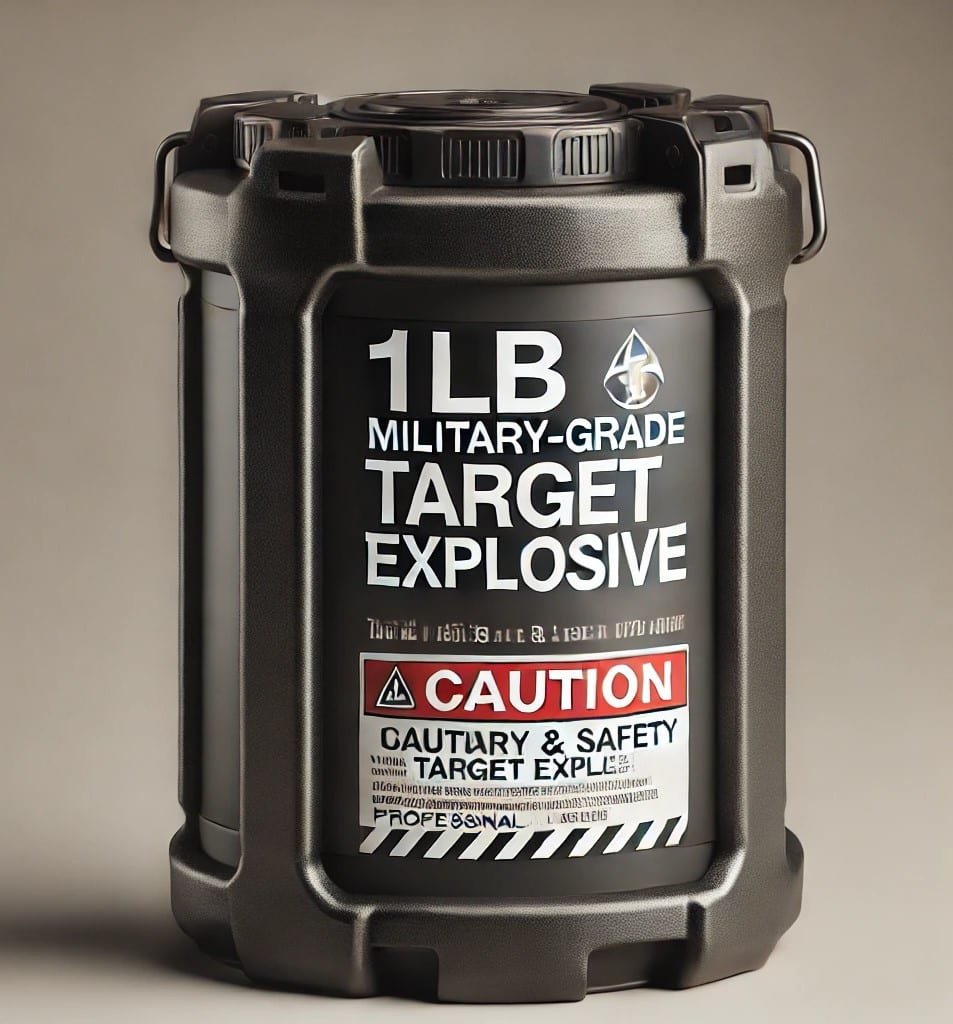 Price range: $19.99 through $27.99Select options This product has multiple variants. The options may be chosen on the product page
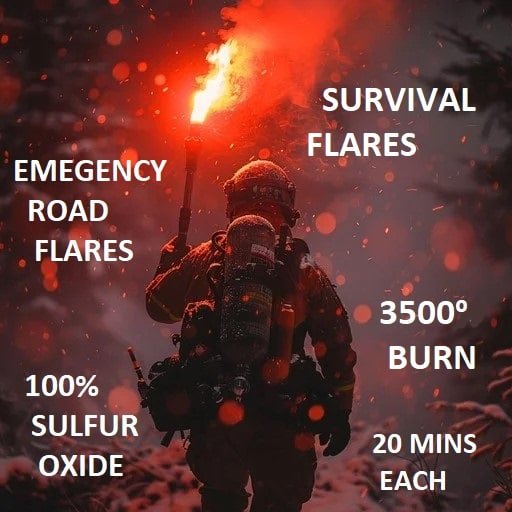 Price range: $21.99 through $38.50Select options This product has multiple variants. The options may be chosen on the product page
 Price range: $22.50 through $88.50Select options This product has multiple variants. The options may be chosen on the product page
 Price range: $18.99 through $93.50Select options This product has multiple variants. The options may be chosen on the product page
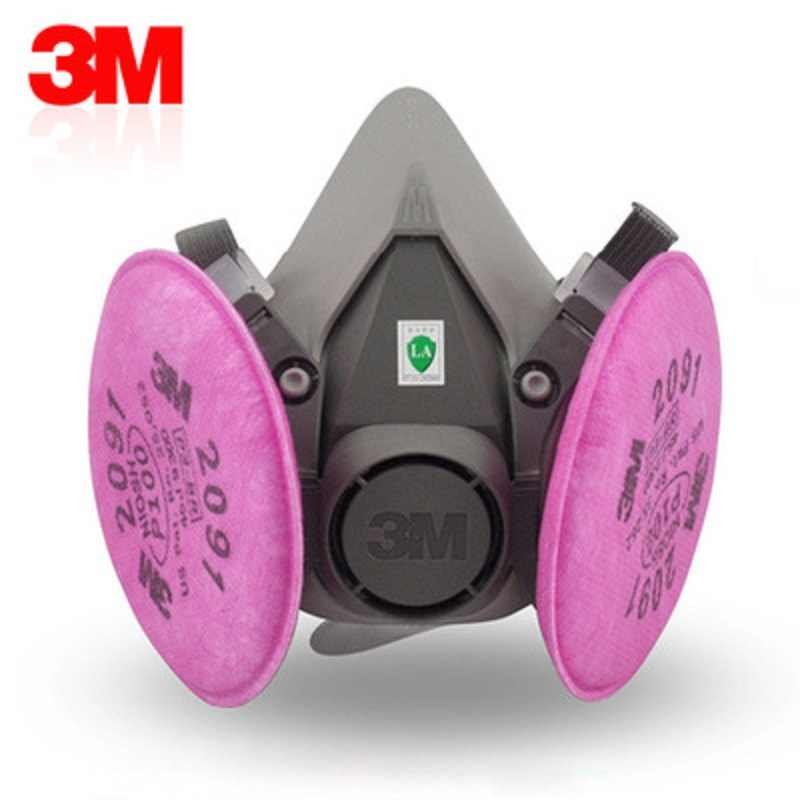 Price range: $25.99 through $105.99Select options This product has multiple variants. The options may be chosen on the product page
 Sale!Price range: $28.99 through $529.85Select options This product has multiple variants. The options may be chosen on the product page
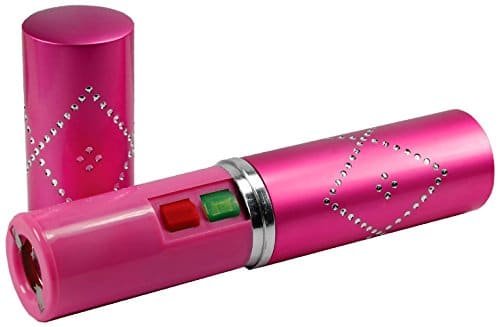 Original price was: $49.99.$39.99Current price is: $39.99.Select options This product has multiple variants. The options may be chosen on the product page
 Price range: $8.99 through $14.49Select options This product has multiple variants. The options may be chosen on the product page
 Price range: $110.00 through $219.00Select options This product has multiple variants. The options may be chosen on the product page
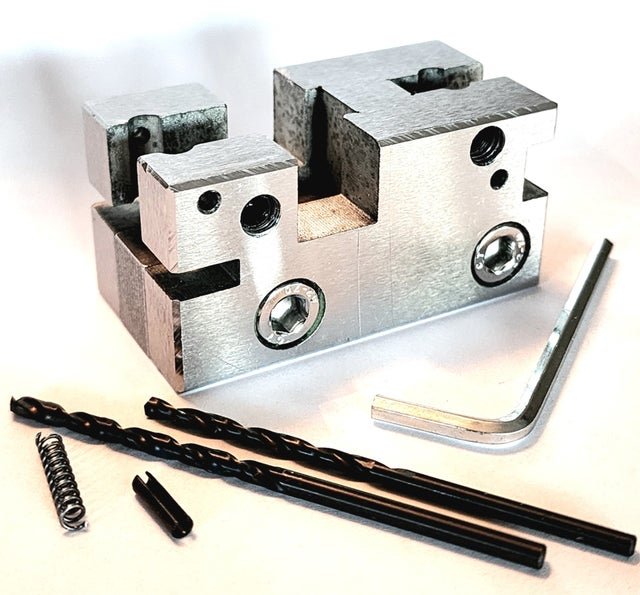 Price range: $185.99 through $220.02Select options This product has multiple variants. The options may be chosen on the product page
 Price range: $17.99 through $136.99Select options This product has multiple variants. The options may be chosen on the product page
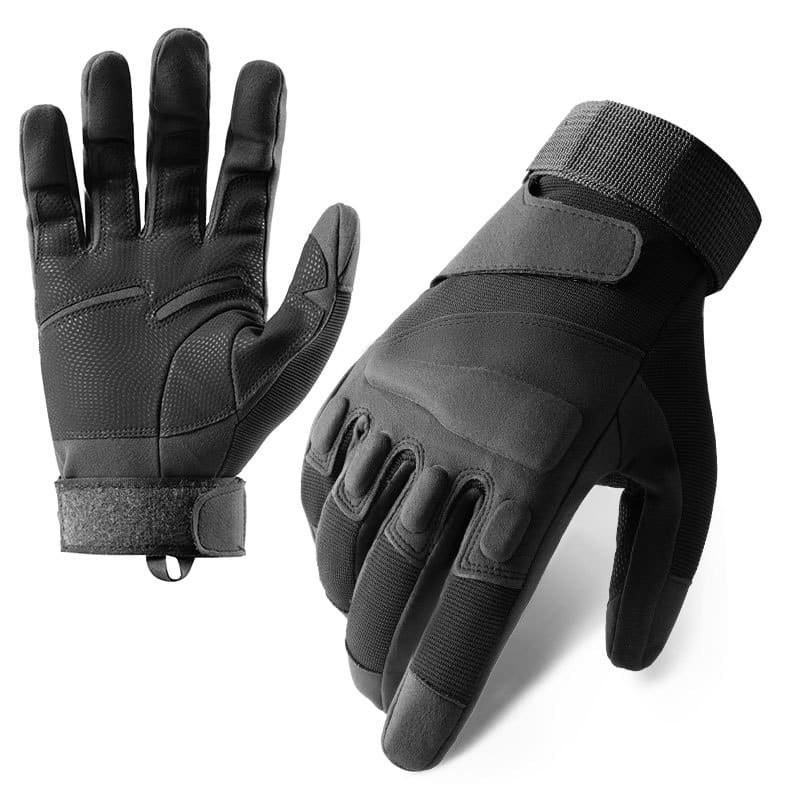 Original price was: $39.00.$32.00Current price is: $32.00.Select options This product has multiple variants. The options may be chosen on the product page
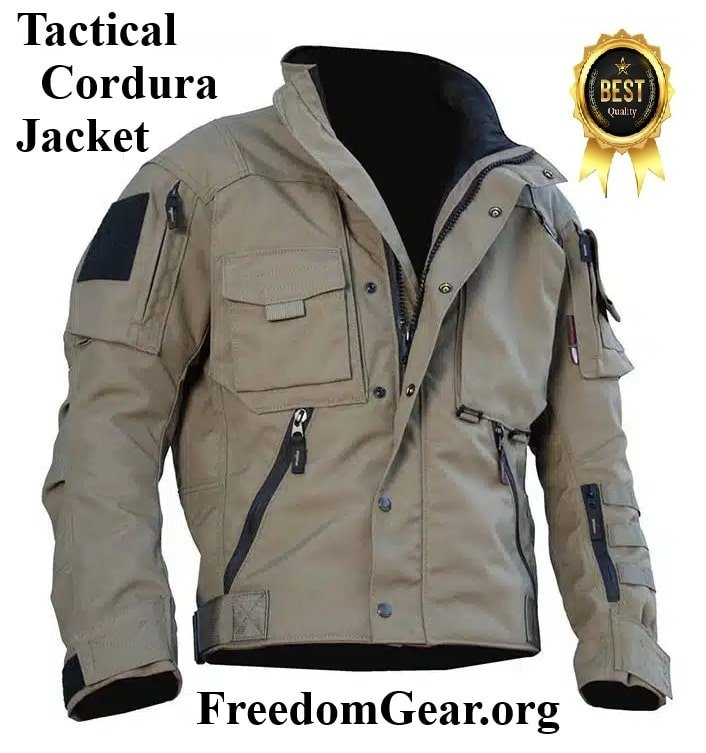 Original price was: $269.00.$249.00Current price is: $249.00.Select options This product has multiple variants. The options may be chosen on the product page