
Radios & Communication Gear
Portable communication equipment can provide an additional way to exchange information during travel, outdoor activity or disruptions to normal services.
Shop must-have tactical gear selected for emergency preparedness, outdoor use, field equipment and everyday readiness. Explore protective gear, communication equipment, first-aid supplies, lighting, cleaning equipment and practical survival accessories.
Build your setup around the equipment you actually need, whether you are organizing a home preparedness kit, upgrading your field gear or adding dependable tools for travel and outdoor use.


The best must-have tactical gear starts with the situations you actually expect to encounter. Emergency communications, medical supplies, protective equipment, lighting and field gear can each solve a different preparedness need.
Rather than buying equipment simply because it is labeled tactical, focus on reliability, portability, storage, maintenance and usefulness. A smaller collection of gear you understand and maintain can be more practical than a large kit you rarely use.
Portable communication equipment can provide an additional way to exchange information during travel, outdoor activity or disruptions to normal services.
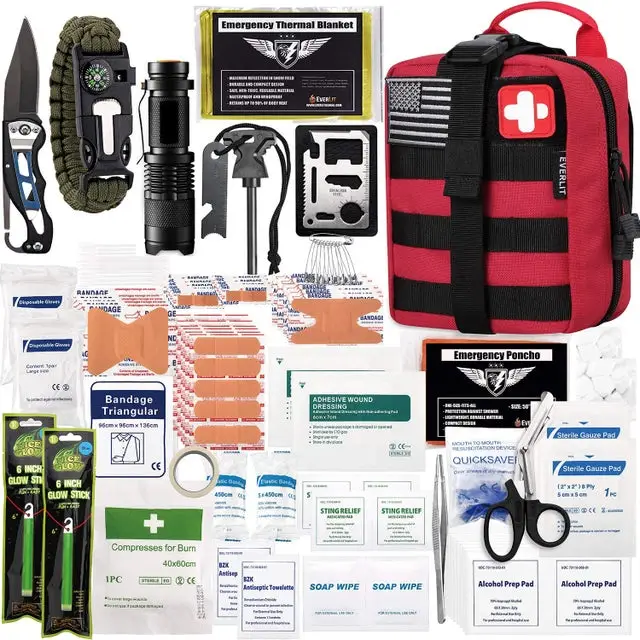
Organize first-aid supplies around the needs of your household, vehicle or outdoor kit and periodically check stored items for condition and expiration.
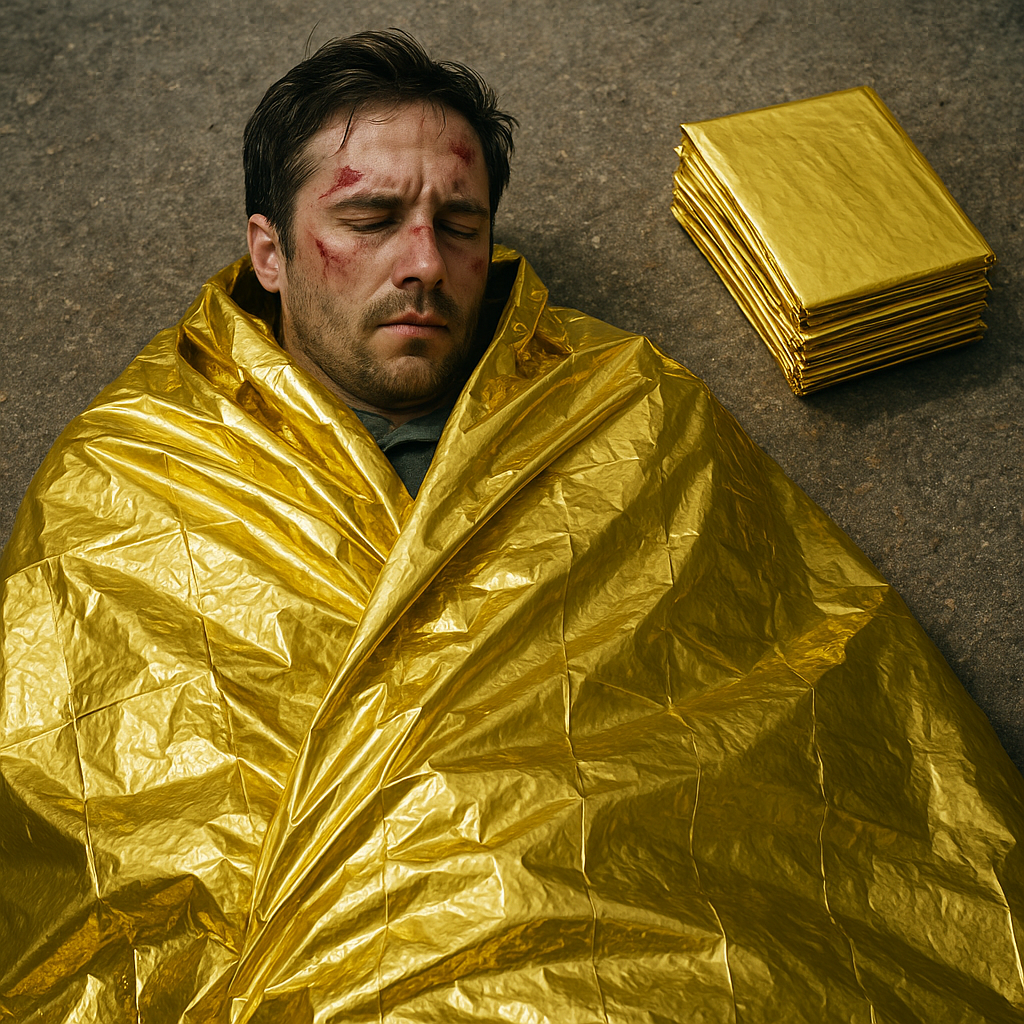
Gloves, masks, emergency blankets and other protective equipment can help address weather, environmental and field conditions.
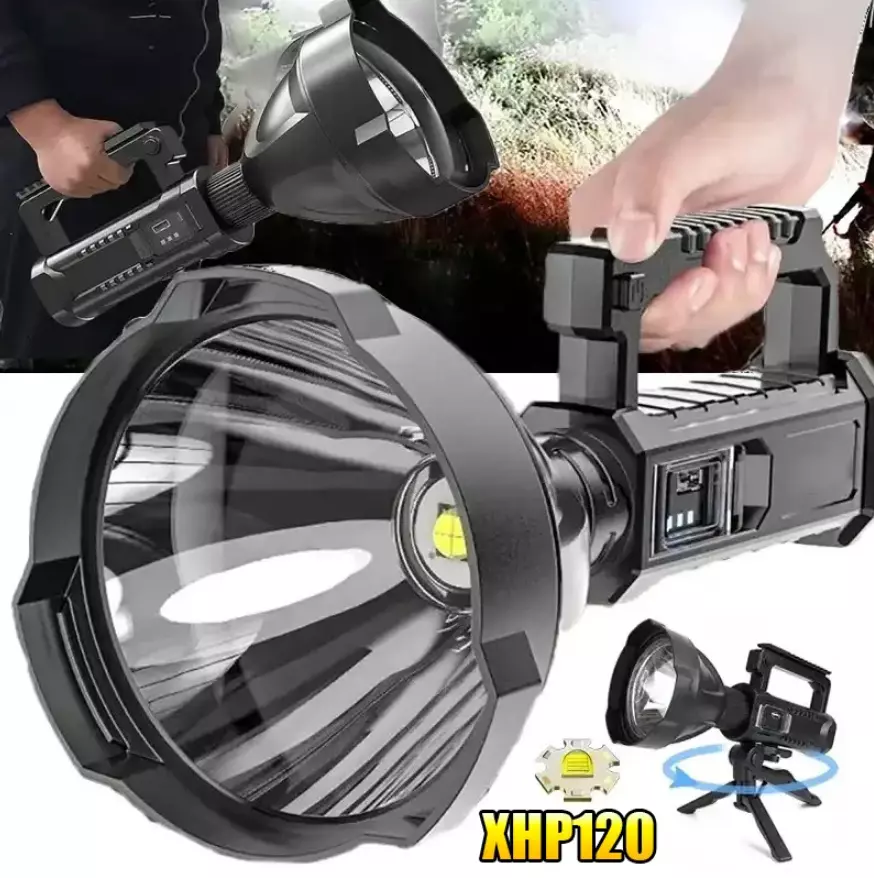
Portable lighting and general-purpose field equipment can support routine tasks when normal infrastructure, power or supplies are unavailable.
Start with the problem the equipment is supposed to solve. Then compare how easily it can be stored, carried, powered, maintained and used when you actually need it.
Decide whether the item fills a communication, medical, lighting, environmental or general utility role. Clear purpose makes it easier to avoid buying redundant gear.
Review construction, power requirements, replacement needs and manufacturer information before depending on an item as part of an emergency kit.
Equipment intended for a vehicle, backpack or field kit should fit the space available without making the overall setup unnecessarily difficult to carry or organize.
Batteries, stored supplies and equipment should be inspected periodically. Follow manufacturer directions for charging, maintenance, storage and replacement.
A practical setup does not need dozens of overlapping products. Start with core needs such as communication, light, basic medical supplies and environmental protection, then add specialized equipment when it fills a real gap.
Keep frequently used items accessible and organize backup supplies so batteries, stored equipment and consumable items can be inspected without taking apart the entire kit.
Start with equipment that addresses common preparedness needs such as reliable lighting, communication, first aid and environmental protection. Add more specialized gear only when it fills a specific need in your setup.
The categories overlap considerably. Survival gear generally focuses on maintaining basic needs during emergencies, while tactical gear often includes durable communication, protective, field and utility equipment.
Useful categories can include communication equipment, portable lighting, basic medical supplies, gloves, weather protection and general-purpose field equipment appropriate to your environment.
Equipment should be inspected and maintained according to its manufacturer's instructions. Check batteries, charging requirements, consumable supplies and storage conditions periodically so the kit does not simply sit untouched for years.
Browse the Freedom Gear Survival Supply Store for a broader selection of emergency and preparedness equipment, or visit the Emergency Food Supply collection for stored-food options.
Compare the current Freedom Gear selection above for communication, medical, protective, field and preparedness equipment.