(Educational info only — not legal advice. Laws and ATF interpretations can change. If you sell, buy, or use anything that could be considered a suppressor/silencer or Are Solvent Traps Legal: “silencer part,” talk to a qualified firearms attorney and follow all federal/state/local rules.)
Solvent traps are often marketed as firearm-cleaning accessories designed to capture solvent, carbon, and debris during barrel cleaning. In real life, the topic gets complicated fast—because the federal definition of a “firearm silencer” includes not only complete devices, but also combinations of parts and certain parts “intended only” for silencer assembly. Legal Information Institute+1
ATF has also published guidance that some devices marketed as “solvent traps” may be “firearm silencers” depending on design, configuration, and intent. ATF+1
This page does two jobs:
- Explain solvent trap legality in plain English (as safely and generally as possible).
- Give you a “Google Images indexing” blueprint: image SEO, structured data (rich data), and 12 ready-to-insert image slots with keyword-rich metadata.
Why the legality conversation is different than most “gun accessory” topics
Under federal law, the definition of “firearm silencer / firearm muffler” includes:
- any device that diminishes the report of a firearm, and
- any combination of parts designed/redesigned and intended for assembling/fabricating one, and
- any part intended only for such assembly/fabrication. Legal Information Institute+2ATF+2
That’s the core reason “solvent trap legality” gets searched so much: the same shapes and parts people associate with cleaning accessories can overlap with what the law treats as regulated silencer components.
ATF’s plain message (high level)
ATF has stated that after examining products commonly marketed as “solvent traps,” some are “firearm silencers” under the GCA and NFA. ATF+1
Practical takeaway: labeling alone doesn’t control classification—design and intended use matter, and the risk profile is real.
Solvent trap vs suppressor: what people mean (and where confusion starts)
Are Solvent Traps Legal: Most consumers use “solvent trap” to mean:
- a tube-like device that attaches to a barrel (often via an adapter)
- intended to catch cleaning solvent and residue
Most consumers use “suppressor/silencer” to mean:
- a device intended to reduce sound
But legally, what matters is whether something is a “silencer” or “silencer part” per the definition above. Legal Information Institute+1
Common “solvent trap” styles people search for (and why each gets legal attention)
Below are common categories people type into Google. Use these headings (and the matching image slots later) to rank for long-tail searches like “solvent trap legality,” “solvent trap kit legal,” “solvent trap adapter legal,” “ATF solvent trap open letter,” and related phrases.
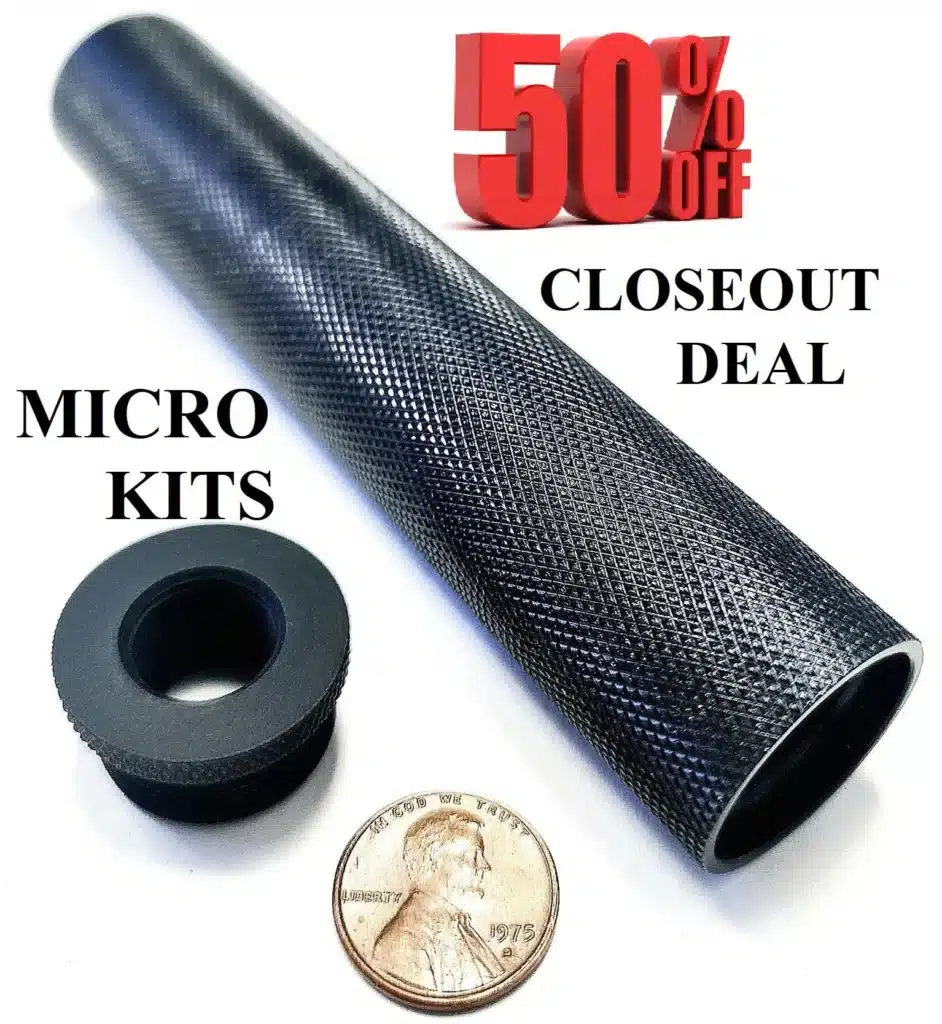
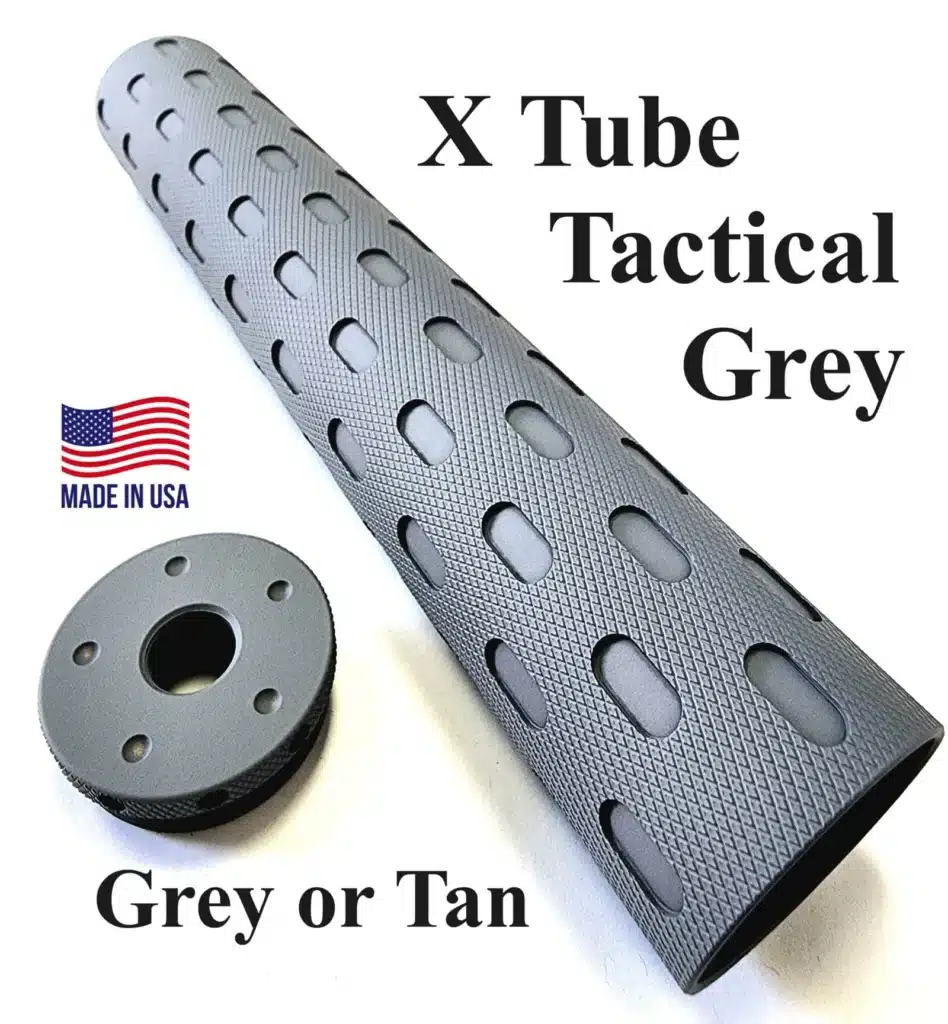
1) Tube-style solvent traps
Often described as cleaning tubes that thread onto a barrel adapter and capture solvent. These are commonly searched as:
- “solvent trap tube”
- “cleaning tube muzzle”
- “barrel cleaning trap”
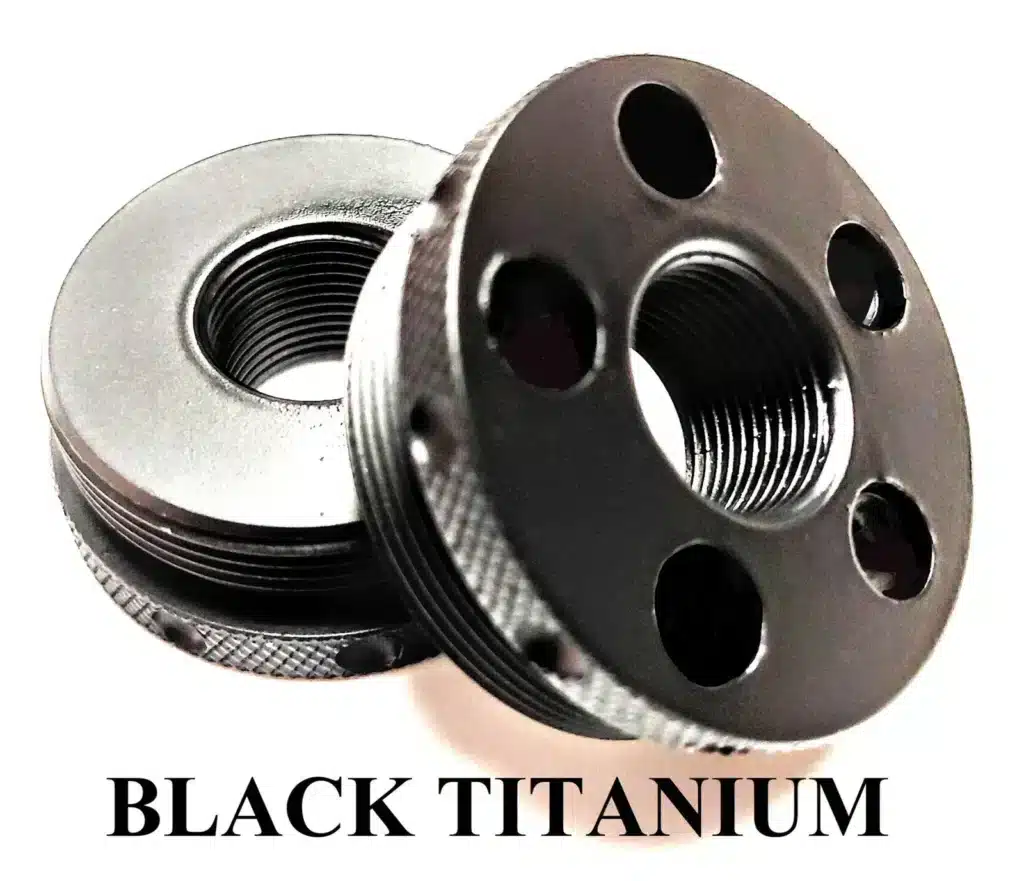
2) Thread adapters (1/2×28, 5/8×24, etc.)
Adapters get searched heavily because they’re easy to list and photograph. Also, they’re the part that visually signals “mounting to a muzzle,” which is why buyers ask legality questions.
3) End caps / front caps / closed ends
“Capped” ends are one reason ATF and the public scrutinize certain designs, because end-cap style parts can be relevant to silencer construction under the “parts” portion of the definition. ATF+1
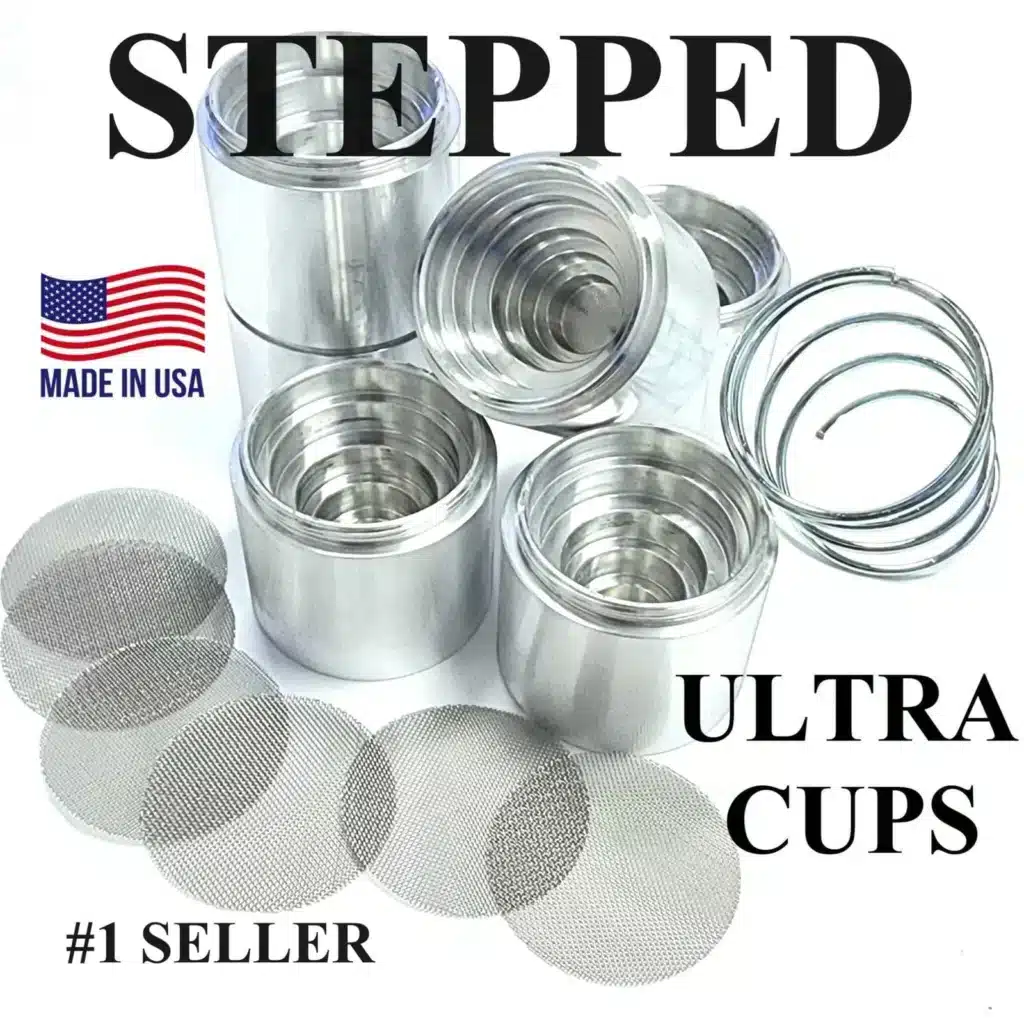
4) “Cup” shapes / internal inserts / baffles (keywords people use)
If a product is marketed or shaped like an internal sound-reduction component, consumers will immediately search “is it legal?” and “ATF classified?”—and your page should answer at a safe, educational level.
5) “Are Solvent Traps Legal: Fuel filter” / “inline filter” look-alikes (common search association)
People search these terms alongside solvent traps. If your page touches them, keep it compliance-focused

Or

Or

Or
Or

Or

Or
Or

Or
Are Solvent Traps Legal: