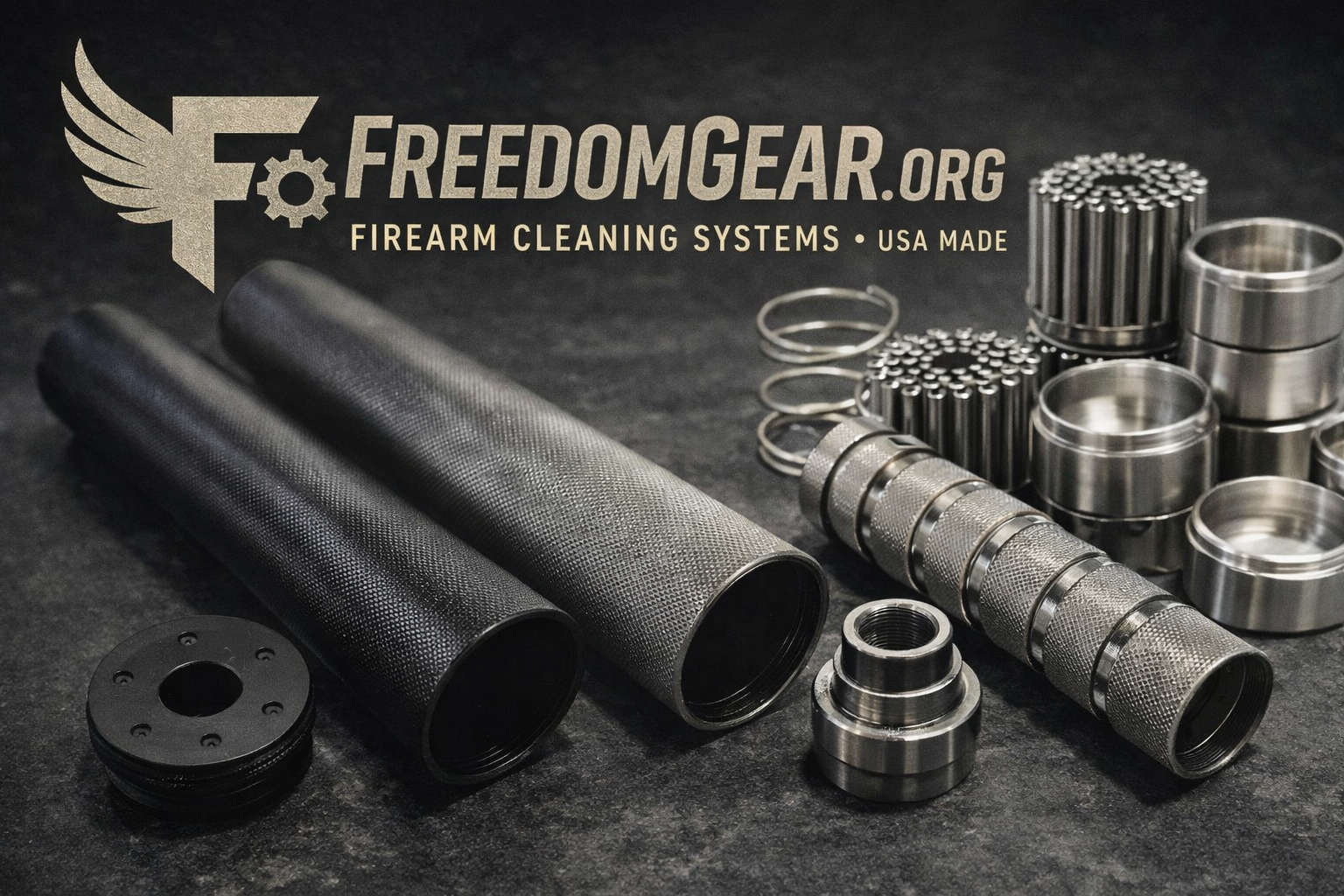
1. What Is a Solvent Trap—and Why It’s Legal in Most Cases
Solvent traps are firearm maintenance tools designed to capture cleaning fluids during bore cleaning. Made from materials like aircraft-grade aluminum or Grade 5 titanium, these devices include tube sections, thread adapters (1/2×28, 5/8×24), and solid cups or baffles. When used solely for cleaning purposes, solvent traps are 100% legal under U.S. law and not regulated as firearm suppressors.
2. ATF Clarifies Classification of Solvent Traps as Silencers
In November 2023, the ATF issued an “Open Letter to All FFLs” stating that some devices marketed as solvent traps may be classified as “firearm silencers” under the Gun Control Act (GCA) and the National Firearms Act (NFA) if they include design features intended for projectile passage or sound dampening ATF+7ATF+7GunsAmerica+7RocketFFL+2FastBound+2. This means they can be subject to NFA regulations even if sold as cleaning tools.
3. Legal Grounds: When Solvent Traps Become Illegal
Even though the term “solvent trap” isn’t defined in federal law, components intended for use in suppressors, such as baffles or holes, meet the legal definition of a silencer—regardless of marketing The Smoking Gun. This legal interpretation hinges on design features that make the item function as a suppressor, not just on their branding.
4. Real-World Enforcement: Seizures and Legal Implications
The ATF has seized numerous solvent traps deemed to be silencers, highlighting that intent and physical features can trigger legal consequences JustAnswer+5Reddit+5GunsAmerica+5ATF+14ATF+14ATF+14. These enforcement actions underscore the importance of clarity and documentation regarding the intended use of solvent traps.
5. Notorious Case: Misuse of Solvent Traps as Silencers
A notable example of illegal misuse is the case of a Virginia man prosecuted for possessing unregistered silencers disguised as solvent traps The Smoking GunATF. This case illustrates how easily legal cleaning tools can be transformed—intentionally or not—into regulated items if misused or modified.
6. Clean Use Is Legal, Conversion Isn’t
As highlighted in AP‑style discussions, while solvent traps themselves are legal, converting one into a suppressor without submitting an ATF Form 1 and paying the $200 tax stamp is illegal and carries severe penalties ATF+11FastBound+11RocketFFL+11. For a suppressor to remain lawful, every component must be properly registered before assembly.
7. Expert Analysis and Legal Risk Explanations
Firearms attorneys and industry experts emphasize that even near-complete kits may fall under silencer regulations if they possess intent-to-conceal design features. Seemingly benign parts can cross the line to being a regulated item RocketFFL+1, reinforcing the need for firearm owners to act with caution and legal awareness.
8. ATF Enforcement on Misleading Sellers
Authorities have taken aim at retailers marketing solvent traps as grey‑area devices intended for suppressor assembly—seizing websites and product inventories when the items facilitate illegal construction The Smoking Gun+3ATF+3Illinois Lawyers+3. This enforcement trend signals increased scrutiny of misleading marketing and improper product design.
9. Practical Steps to Stay Legal
- Maintain Documentation: Keep purchase receipts and product marketing materials indicating cleaning use.
- Avoid Modifications: Never drill, alter, or add baffles unless you have filed a Form 1 and received NFA approval.
- Stay Informed: Consult ATF statements and open letters to understand evolving definitions and intent-based enforcement.
10. Freedom Gear’s Legal Commitment
At Freedom Gear, every solvent trap kit—aluminum or titanium—is sold strictly as a firearm cleaning device, never as a suppressor. By reinforcing lawful use and providing high-quality, USA-made components, Freedom Gear supports responsible firearm maintenance while helping owners avoid the legal pitfalls of improper use.
