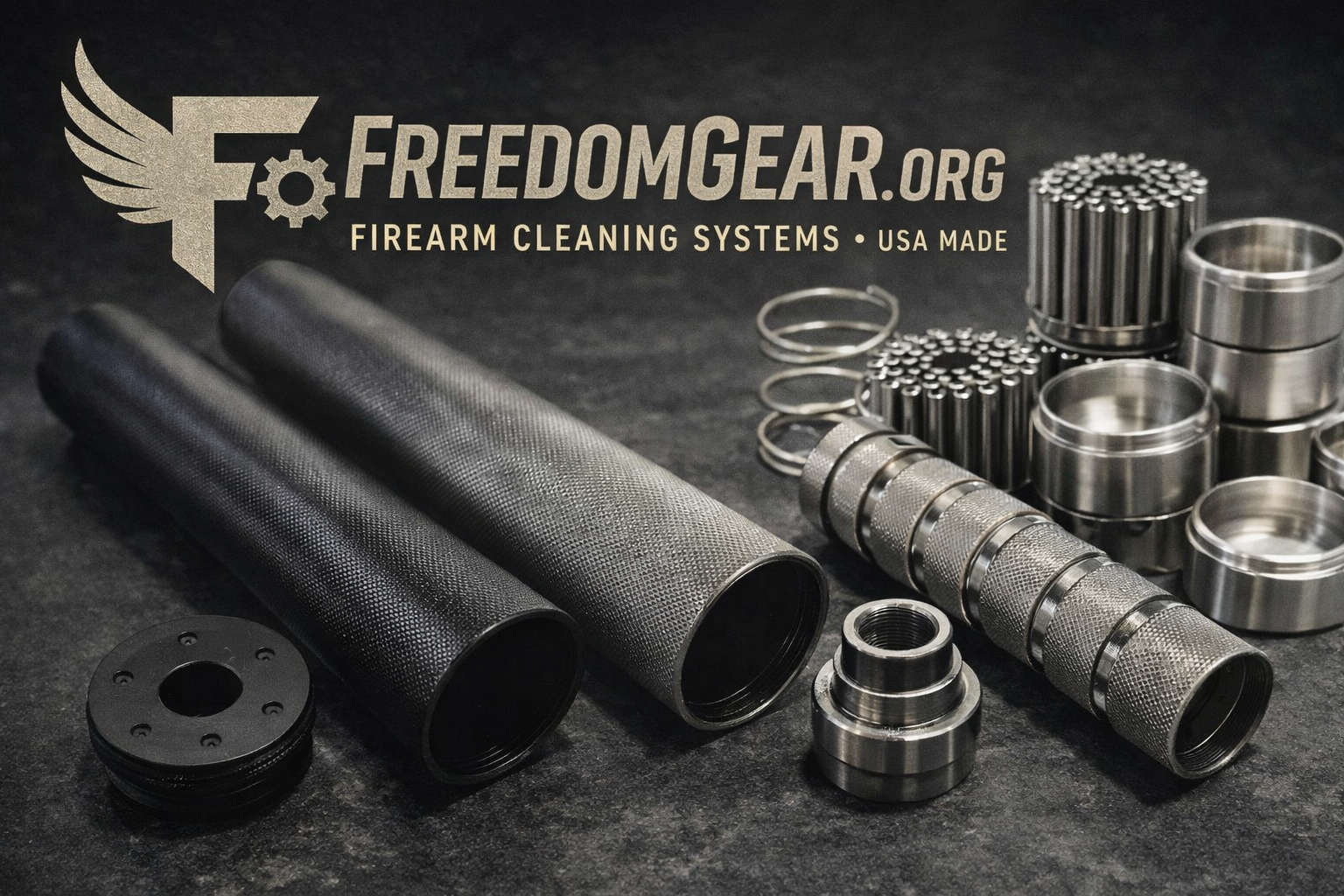
Are Solvent Traps Legal? A Comprehensive 2026 Guide
The phrase “solvent trap” does not by itself determine whether an item is legal or how it will be classified. Federal law looks at the actual device, its design and configuration, combinations of parts, intended use, and other relevant circumstances.

There isn't a blanket yes-or-no answer based only on the name.
Products genuinely designed and used as firearm-cleaning and solvent-collection equipment can have lawful uses. However, calling a product a “solvent trap” does not automatically place it outside federal firearms law.
Federal silencer law can apply to a device that silences, muffles, or diminishes firearm report, as well as certain combinations of parts designed or redesigned and intended for silencer assembly and parts intended only for that use. Design, configuration and intended use can therefore matter more than the marketing name.
What Determines Legality?
There is no separate federal statutory category simply called a “solvent trap.” The relevant question is whether the actual product or combination of components falls within an applicable federal or state definition.
The Actual Product
Physical design and function matter. A label, product title or seller description does not override the characteristics of the item itself.
Parts & Combinations
Federal law can consider combinations of parts, not only a completed device. The relationship between components can therefore be legally significant.
Purpose Matters
The federal definition expressly uses concepts such as design, redesign and intended use when addressing certain silencer components and combinations.
Understanding the Federal Silencer Definition
Federal regulations define a firearm muffler or silencer broadly enough to include a device for silencing, muffling or diminishing the report of a portable firearm. The definition also addresses certain combinations of parts designed or redesigned and intended for assembling or fabricating a silencer, along with parts intended only for such assembly.
That is why terminology alone is not a legal test. A manufacturer, retailer or customer cannot determine classification merely by naming an object a solvent trap, storage device, cleaning part or another non-firearm term.
Freedom Gear markets the products in its cleaning collections for their stated firearm-maintenance and solvent-management purposes.
The NFA Changed Significantly in 2026
Two separate developments are important: Congress reduced the federal making and transfer tax for several NFA categories to $0, and a federal court subsequently ruled against enforcement of several registration provisions for covered plaintiffs. Those developments should not be confused with a nationwide repeal of all federal or state suppressor law.
The federal making and transfer tax rate became $0 for silencers, short-barreled rifles, short-barreled shotguns and AOWs.
A federal district court held several NFA regulatory provisions unconstitutional as applied to untaxed firearms and entered a permanent injunction.
The court expressly declined to issue a universal injunction. Relief applies to the plaintiffs and, where applicable, covered members and customers.
Keep Cleaning Components in Their Intended Configuration
Use firearm-cleaning and solvent-management equipment for the purpose for which it was designed and sold. Follow the manufacturer's specifications and verify that components are appropriate for the cleaning system you are using.
Modification Can Change the Legal Analysis
Altering, redesigning or combining components can change how an item is evaluated under federal law. Freedom Gear does not recommend altering cleaning components to create a sound-reducing firearm device.
State & Local Law Still Matters
Federal law is only one part of the analysis. States and local jurisdictions may impose independent restrictions involving firearms, silencers, components, possession, transfer or transportation. A federal court ruling does not automatically eliminate an independent state law. Check the rules applicable where you live and where you intend to possess or transport an item.