Legal Guide
Understanding the Full Legality of Solvent Traps
Solvent traps are useful firearm-cleaning tools. This guide explains when they’re legal, what modifications create legal risk, and how to remain compliant with federal and state law.

What is a Solvent Trap?
A solvent trap is a firearm-cleaning accessory that threads to a muzzle to catch cleaning solvent pushed through the bore. It keeps work areas clean and makes solvent disposal easier.
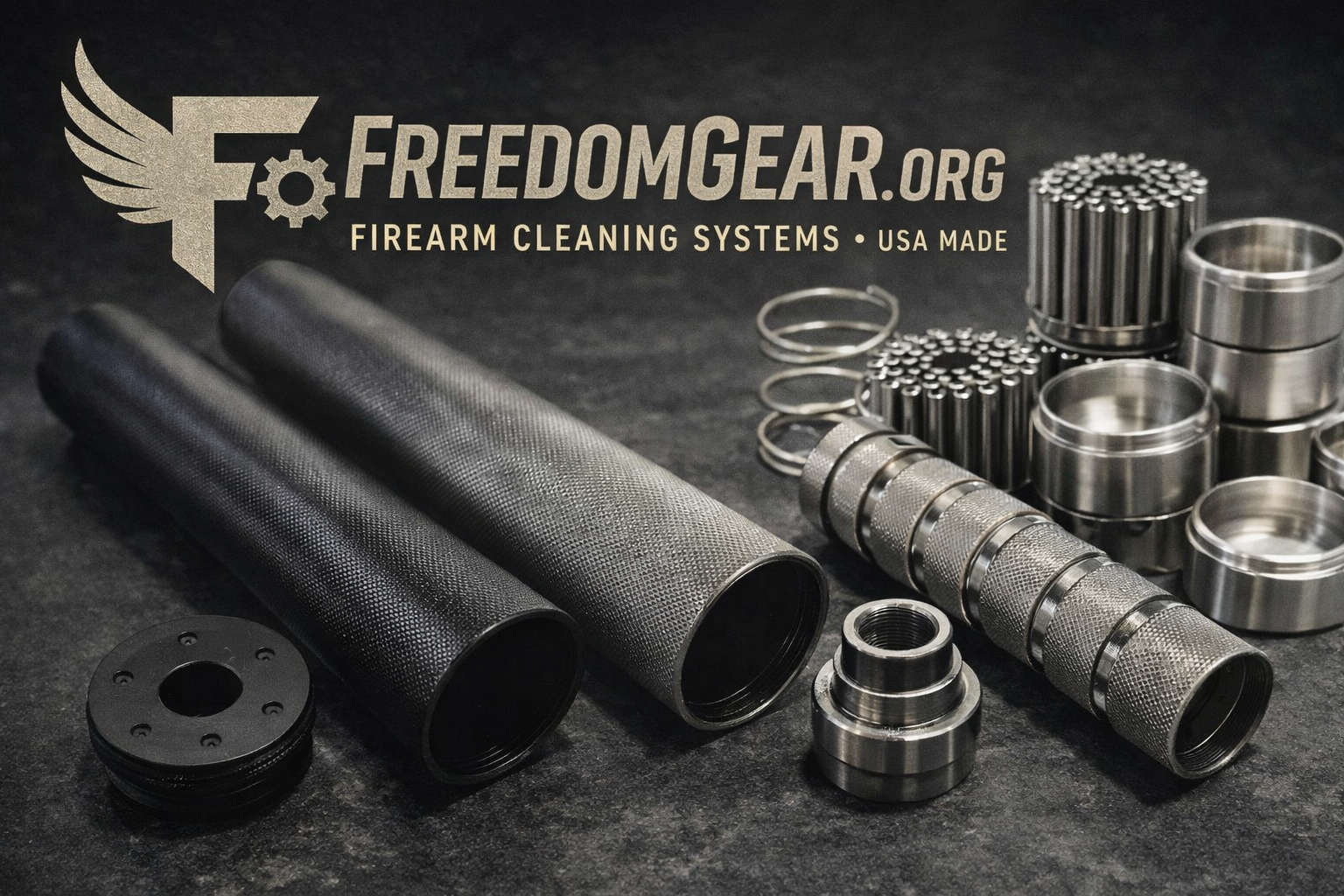
- Solvent trap tubes — the cylinder that collects solvent.
- Solvent trap adapters — connect the tube to a barrel muzzle.
- Solvent trap cups / end caps — seal the tube and allow waste removal.
Used as designed for cleaning, solvent traps are lawful accessories.
Legal Bottom Line
- Legal for cleaning: Ownership and normal cleaning use are allowed under federal law.
- Modifying into a suppressor is illegal: Any modification that converts a trap into a sound-reducing device may make it an NFA suppressor unless properly registered.
- Intent and configuration matter: Drilling, adding baffles/wipes, or other changes that enable sound reduction can reclassify the item under the NFA.
Understanding the National Firearms Act (NFA)
The NFA regulates suppressors and other specialized firearms/items. Converting a solvent trap into a device that meaningfully reduces sound can create an NFA regulated item.
- Registration: Suppressors require ATF registration (Form 1 to manufacture, Form 4 to transfer) and a tax stamp (commonly $200).
- Formal process: Background checks and ATF approval are part of lawful ownership for NFA devices.
- Don't improvise: Shortcuts or clandestine modifications are illegal and enforced.
How to Purchase & Use Solvent Traps Lawfully
- Buy reputable designs: Acquire solvent traps built for cleaning from trusted vendors (clarify intended use and ask questions if unsure).
- Keep components unmodified: Use the product only for cleaning; do not add baffles, wipes, or alterations intended to reduce sound.
- Check state & local rules: Some jurisdictions have accessory restrictions or transport rules; verify local law before purchase or travel.
Final Thoughts
Solvent traps are lawful, practical cleaning tools when used as intended. The legal risk arises when they are altered to act as suppressors. Always prioritize compliance — buy quality products, use them only for maintenance, and consult legal resources or counsel if you have questions about state or federal requirements.