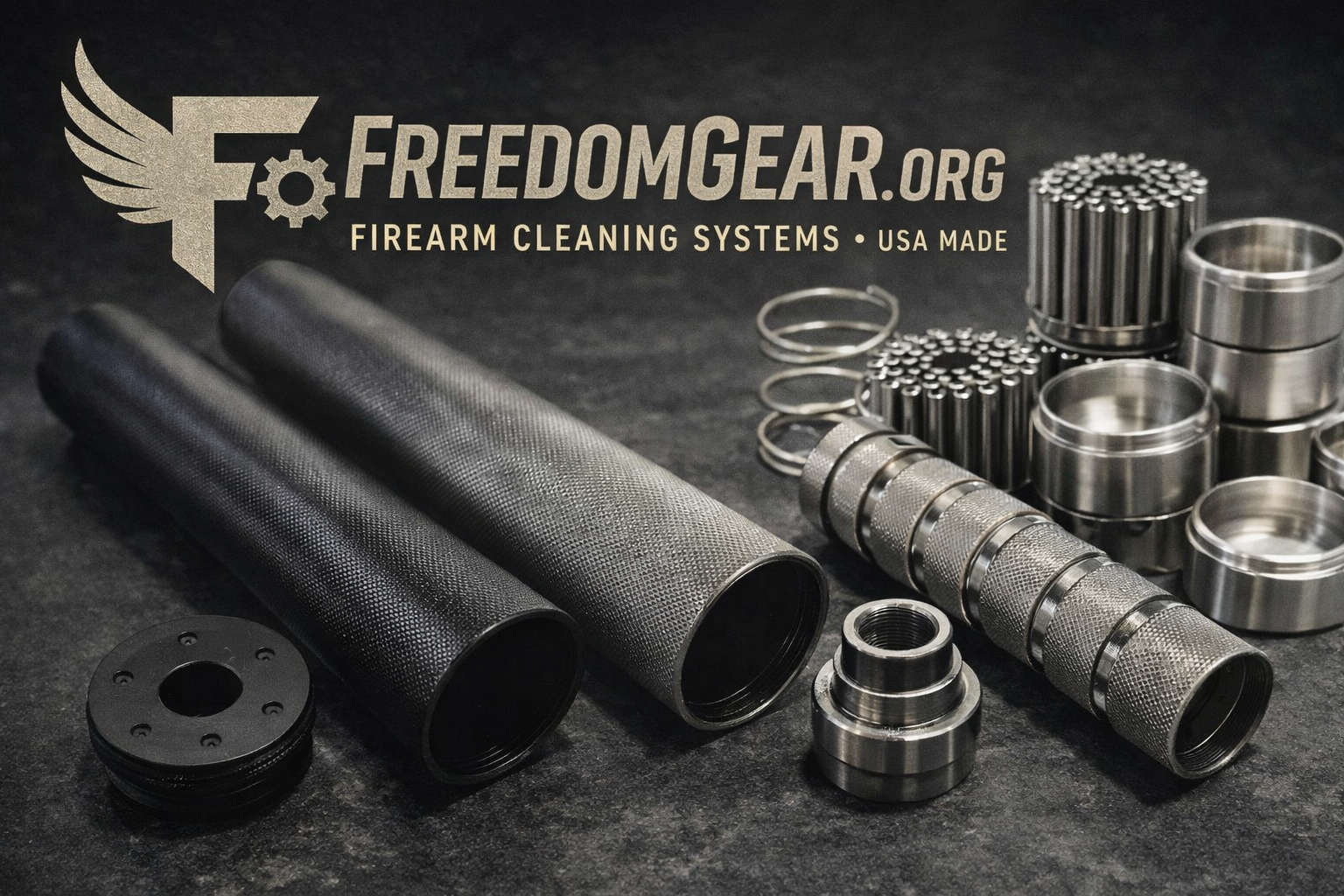
Hearing Protection Act Failure: What Went Wrong?
Posted on August 11, 2025, 09:24 PM MST
For firearm enthusiasts and responsible gun owners, the Hearing Protection Act (HPA) promised a significant shift in how suppressors—devices critical for hearing safety—are regulated. Introduced as part of the broader H.R. 1 reconciliation bill in 2025, the HPA aimed to remove suppressors from the National Firearms Act (NFA), eliminating the $200 tax stamp and lengthy registration process. Yet, despite initial optimism, the effort faltered. As of tonight, August 11, 2025, let’s break down why the HPA failed and what it means for the future of suppressor ownership.
The Promise of the Hearing Protection Act
The HPA, reintroduced in January 2025 as H.R. 404, sought to treat suppressors like standard firearms under the Gun Control Act, requiring only a NICS background check. This would have eased access for hunters, veterans, and shooters looking to protect their hearing without bureaucratic hurdles. The House passed a version with this language in May 2025, sparking hope among Second Amendment advocates. The addition of the SHORT Act to deregulate short-barreled rifles and shotguns further fueled expectations for a major win.
The Byrd Rule: A Legislative Roadblock
The primary reason for the HPA’s failure lies in the Senate’s application of the Byrd Rule, a procedural hurdle named after Senator Robert Byrd. This rule restricts budget reconciliation bills—like H.R. 1—to budgetary matters, striking provisions deemed too policy-heavy. In June 2025, the Senate Parliamentarian ruled that the HPA and SHORT Act’s deregulation efforts didn’t meet these criteria, leading to their removal from the bill. This decision, made by an unelected official, shifted the narrative from reform to compromise.
Political Compromise and Public Divide
After the Byrd Rule struck down full deregulation, a compromise emerged: a $0 tax stamp for suppressors, SBRs, SBSs, and AOWs, effective January 1, 2026, while keeping NFA registration intact. Signed into law on July 4, 2025, this partial victory satisfied some but frustrated others who wanted complete removal from the NFA. The fracture within the firearms community—between those seeking incremental progress and those demanding all-or-nothing—may have diluted the pushback against Senate inaction. Meanwhile, anti-gun voices leveraged public safety concerns to sway undecided lawmakers.
A Question of Courage or Convenience?
Critics argue the failure reflects a lack of political will rather than a legal necessity. The Senate’s decision to punt on full reform, despite House support and grassroots pressure, suggests a preference for avoiding controversy over championing rights. Some see the Byrd Rule as a convenient scapegoat, masking deeper reluctance to challenge a century-old law. For gun owners—many of whom are veterans or parents teaching safe shooting—this feels like another instance of being sidelined by a bureaucracy that prioritizes process over people.
What’s Next for Suppressors and Freedom Gear?
The $0 tax stamp is a step forward, but the NFA’s registry, forms, and wait times remain. Industry leaders, including silencer shops, are eyeing legal challenges, citing precedents like the Affordable Care Act’s $0 tax ruling as a potential path to dismantle the NFA. At Freedom Gear, we’re committed to keeping you informed and equipped. While the HPA didn’t fully succeed, the fight for hearing protection and firearm freedom continues. Stay prepared with our top-tier solvent traps and survival gear in the meantime.
Have thoughts on the HPA’s failure or the future of suppressor laws? Share them below or contact us—we’re in this together. Stay vigilant and stay prepared!
Explore Freedom Gear Products